
You’re sitting behind the wheel, getting ready for your driving test. Your hands are a little sweaty, but you’re feeling pretty good. Then, a small, brightly colored symbol you’ve never seen before suddenly illuminates your dashboard. What does it mean?
Don’t let a confusing car warning light add to your test day stress. Feeling a bit of panic when one of those little lights pops up is entirely normal, especially when you’re driving.
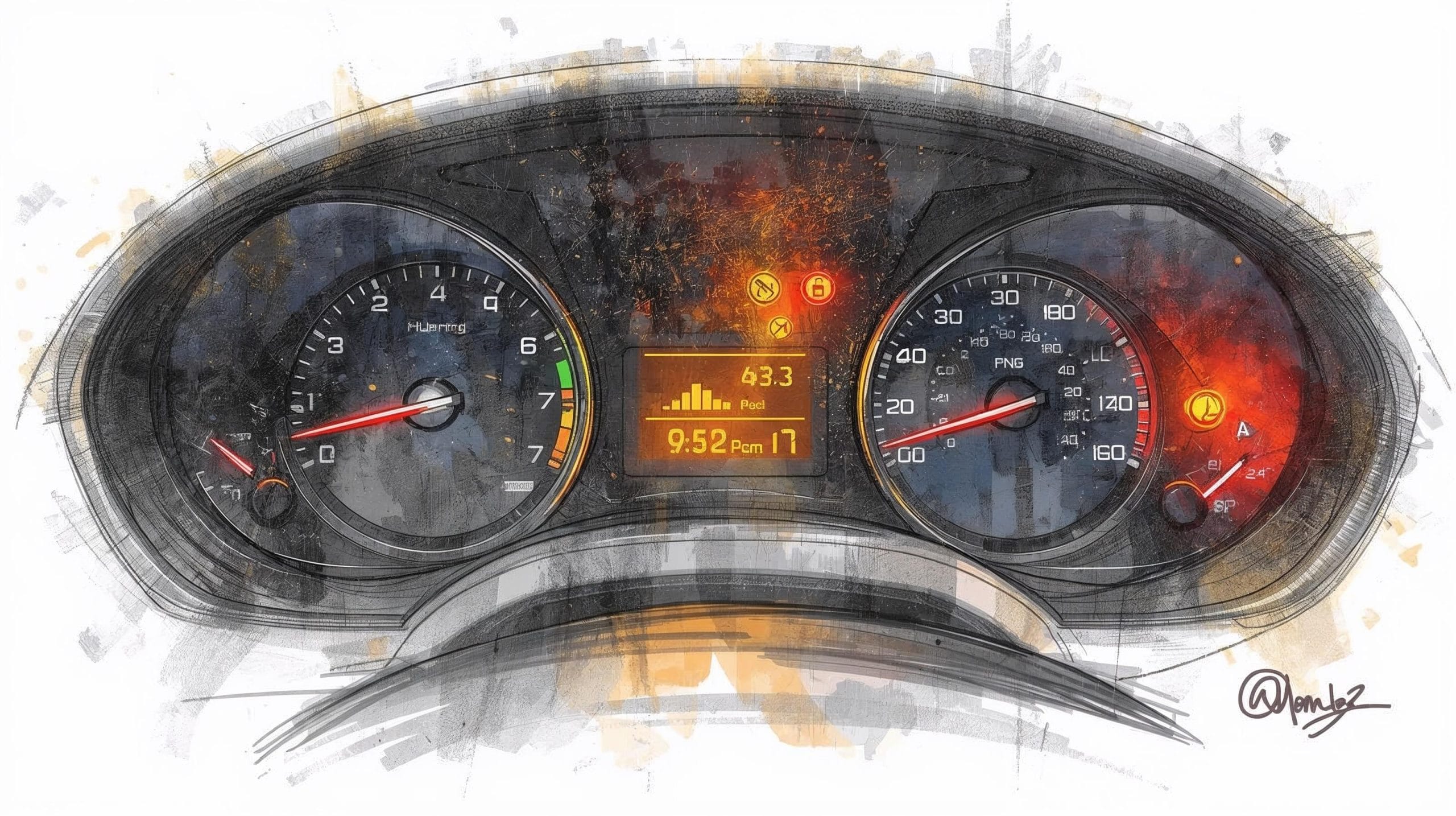
This guide will help you understand your car’s dashboard warning lights so you can feel more confident on the road. From the common check engine light to a mysterious stability control light, we will cover what you need to know. Understanding these indicator lights is a key part of being a safe and responsible driver in modern cars.
What Dashboard Light Colors Mean
Before we get into specific symbols, let’s talk about color. Car manufacturers use a simple color code to tell you how urgent a problem is. Think of it like a traffic-light system right on your dashboard, giving you a quick sense of a situation’s severity.
Blue or green lights are usually indicator lights. They tell you that a system in your car is turned on and working as it should, such as your high-beam headlights or cruise control. You don’t need to do anything when you see one.
Yellow or amber lights signal caution. These dashboard lights suggest that something needs to be serviced or checked soon, but it is not a significant problem yet. While it’s not a stop-right-now emergency, you should not ignore a yellow control light for too long.
Red warning lights signal a problem that needs your immediate attention. When a red dashboard light comes on, pull over as soon as it’s safe and turn off the engine. Ignoring a red warning light can lead to severe car damage or an unsafe driving situation.
Here’s a quick breakdown of what the colors mean.
Color | Meaning | Action Required |
Green / Blue | System is active or on (e.g., turn signal, high beam). | No action needed. |
Yellow / Amber | Caution. A system needs attention soon (e.g., low fuel, ABS fault). | Check the issue or schedule service. |
Red | Serious warning. Potentially dangerous problem. | Stop the car safely as soon as possible. |
Your Guide to Common Dashboard Lights and Symbols
Now that you know the colors, let’s look at some of the most common symbols. You probably won’t see all of these during your driving test, but being a safe driver means being prepared. Every car is slightly different, so always check your owner’s manual for the most accurate information.
Engine Related Lights
Your engine is the heart of your car, and it has several ways to tell you it’s not feeling well. These lights give you crucial information about its health and performance. Paying attention to them can prevent a minor issue from becoming a significant problem.
 The check engine light is probably the most well-known symbol, looking like an engine block. This engine light can mean many things, from a loose gas cap to a severe engine misfire or a fuel pump issue. If the check engine light is solid, it’s not an emergency, but you should get your car checked by a mechanic at your earliest convenience.
But if the light is flashing, it signals a serious problem, and you should pull over and call for help. A flashing light could indicate unburned fuel entering the exhaust system, which can cause costly damage.
The engine temperature light looks like a thermometer dipped in liquid. If this red light turns on, your engine is overheating, which can happen even in freezing temperatures if the cooling system is faulty. This is a severe warning! Pull over safely, turn off the engine, and let it cool down completely before doing anything else.
Driving with an overheated engine can cause irreversible damage. You should never try to open the radiator cap when the engine is hot, as the pressurized steam can cause severe burns. Wait for the engine to cool, then check the coolant level.
The oil pressure light looks like an old oil can with a drip. It means your engine has lost oil pressure. The engine oil is what lubricates all the moving parts, so without proper pressure, your engine can destroy itself very quickly.
This is a stop immediately warning. Please turn off the car and do not try to drive it again until the problem is fixed. You will likely need to have your vehicle towed to a repair shop to check the oil level and investigate the cause of the pressure loss.
Brake System Lights
Your ability to stop is pretty important, right? These warning lights tell you if there’s an issue with your brakes, which are among the most critical safety systems in your vehicle. Never ignore a light related to your brake system.
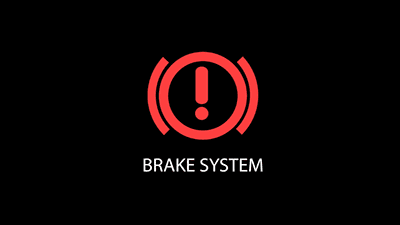 The brake system light usually says BRAKE or shows a circle with an exclamation point inside. This light could just be telling you that your parking brake is still on, which is an easy fix. Many modern vehicles use an electric parking brake, and the light indicates when the electric park system is active.
If the “parking brake engaged” message is not the issue, it could indicate a serious problem, such as low brake fluid or worn brake pads. Transport Canada suggests checking your brake system during your regular vehicle maintenance. Brakes are a critical safety feature, so this needs to be addressed right away.
The Anti-Lock Braking System (ABS) light shows the letters ABS inside a circle. The anti-lock braking system helps prevent your wheels from locking up during hard braking, allowing you to maintain steering control. When this yellow light comes on, your regular brakes will still work fine.
However, if the ABS safety feature is turned off, you should have the system checked by a mechanic to restore full functionality. While the car is still safe to drive, your stopping distance may increase on slippery surfaces.
Fluid and Tire Lights
Your car relies on different fluids and proper tire pressure to run smoothly. These lights are typically less urgent but are essential for routine maintenance. Keeping fluids topped off and tires properly inflated improves performance and safety.
The low fuel light is one you will see often. It looks like a gas pump, and it means it’s time to head to a gas station and fill the fuel tank. Don’t push your luck and try to drive too far on empty, as this can strain your fuel pump.
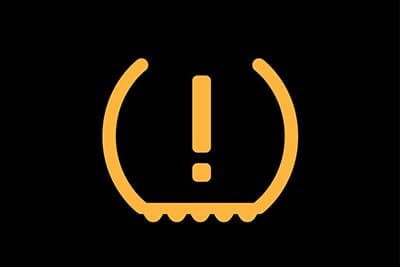 The Tire Pressure Monitoring System (TPMS) light looks like a flat tire with an exclamation point. This pressure warning comes on when one or more of your tires is significantly under-inflated. Low tire pressure can affect your car’s handling, fuel economy, and tire life.
Pull over when it is safe to do so and check your tires for the correct pressure. Many gas stations have air pumps you can use to add air if needed. The proper pressure is usually listed on a sticker inside the driver’s door jamb.
The windshield washer fluid light looks like a windshield with a little fountain spraying on it. This is not a critical warning. It just means you’re running low on washer fluid and should refill it soon for clear visibility, especially during bad weather.
Safety & Driver-Assist System Lights
Modern cars have many features to keep you safe in a crash or help you avoid one. These lights tell you if those systems are ready to go or if a feature is currently active. Understanding them enables you to use these technologies effectively.
The airbag warning light displays a person with a circle in front of them, representing an airbag. If this light remains illuminated after you start the car, it means there’s a fault in the airbag system. This is a serious safety concern, as the airbags might not deploy in a crash if this light is on.
The seat belt reminder light shows a person wearing a seatbelt and is often paired with a chime. This belt reminder comes on if the driver or front passenger hasn’t buckled up. This one is simple: buckle your seat belt for safety.
The traction control or stability control light shows a car with squiggly lines behind it. These systems help you maintain control of the vehicle in slippery conditions. If the light is flashing, it means the stability control system is actively working to help you keep traction.
If the stability control light stays on constantly, it points to a problem with the system. Many vehicles also have a button to turn this system off, which will keep the light on. Check to make sure you haven’t accidentally disabled it.
You may also see lights for systems like adaptive cruise control or automatic emergency braking. An adaptive cruise light indicates the system is on, helping you maintain a set distance from the car ahead. The AEB light might flash to warn of an impending collision.
Lighting and Other Indicators
Some dashboard lights are purely informational, telling you about the status of your vehicle’s systems. These aren’t warning lights, but they are essential for operating your car correctly. They let you know which features are currently in use.
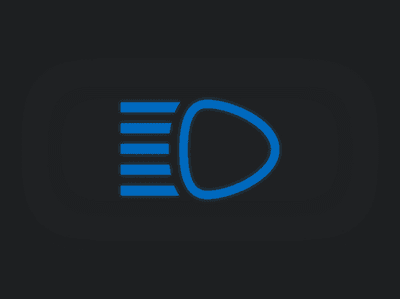 When you activate your high-beam headlights, a blue symbol resembling a “D” with lines extending from it will appear. This high beam indicator reminds you to turn them off for oncoming traffic. Forgetting to do so can blind other drivers.
If your car is equipped with fog lights, a specific indicator will light up when they are on. This fog light, or fog lamp, symbol shows a light with squiggly lines passing through the beam. Use these driving lights only in conditions of poor visibility, like fog or heavy rain.
The most common lights you’ll use are the turn signal indicators. These are usually green arrows that flash right or left when you signal a turn or a lane change. When the light turns on and flashes, it confirms to you and other drivers your intention to change direction.
Battery and Charging System Lights
Your car’s electrical system is also vital for keeping the vehicle running. This light gives you clues about its status and can prevent you from getting stranded. Problems here often need professional attention.
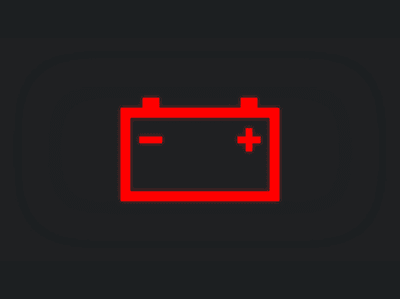 The battery charge light looks like a small car battery with plus and minus symbols. You might think this means your battery is dead, but it’s a bit more complicated. This light indicates a problem with the car’s charging system while the vehicle is running.
This often indicates a failing alternator, which charges the battery while the engine is running. If this warning light is illuminated while you are driving, do not turn the engine off. Head straight to a mechanic, because your car might not start again once you shut it down.
Okay, a Light’s On. Now What?
Seeing a new car warning light on your dashboard can be startling. But if you follow a few simple steps, you can handle the situation calmly and safely.
First, notice the color of the light. As we discussed, the color indicates the severity of the issue. A red light means pull over now, while a yellow light means make a plan to get it checked.
Next, identify the symbol. Take a quick look and see if it is one of the common ones you now recognize. If you’re not sure what it is, your car’s owner’s manual is your best friend; it will have a detailed section on every dashboard warning light.
Most importantly, don’t panic. Panicking on the road is never a good idea. Take a deep breath, assess the light color, and decide on a safe course of action.
If it’s a red warning, your focus should be on finding a safe place to pull off the road. This could be the shoulder, a side street, or a parking lot. Once you’re safely stopped, you can turn off the engine and figure out what to do next, which might involve calling for roadside assistance.