
Learning how to make a safe change takes practice and skill. Knowing when to make those lane changes takes even more skill. Although many drivers avoid making lane changes, they should take the opportunity to do so when it improves their driving experience.
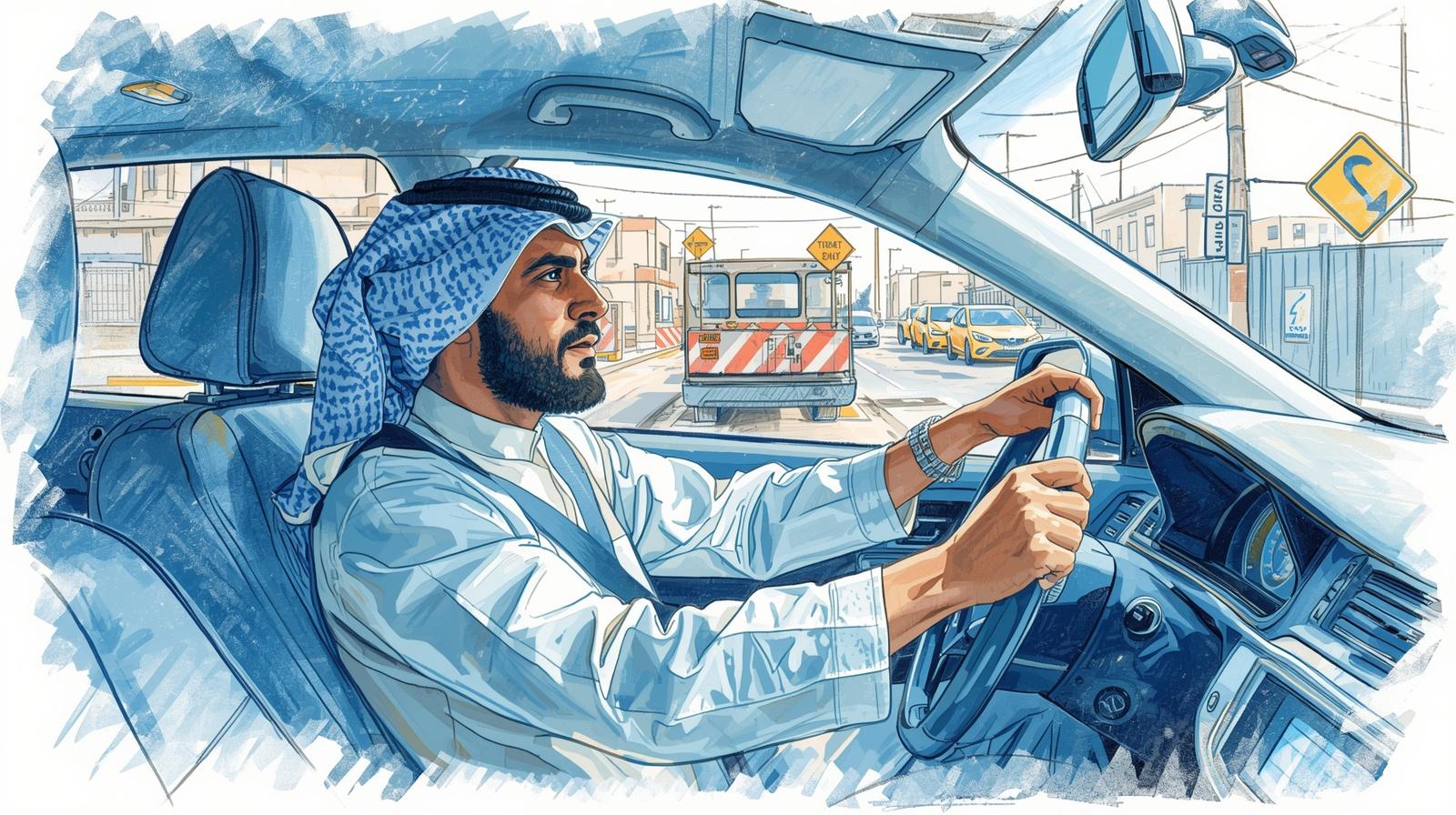
Quick glances in the rear-view mirror
To begin with, the safest and easiest way to perform a lane change is to make quick glances in the rear-view mirror. If it appears clear in the next lane, signal your intent, check the side-view mirror to confirm the blind spot, look ahead into your new lane, and ease over into it.
As a tip, when checking the rear-view mirror, if you can see both headlights of the vehicle in the next lane, they should be far enough behind your vehicle for you to change over safely, provided the vehicle is not speeding up. If you’re changing lanes into a faster flow of traffic, ensure that you’re accelerating while changing lanes so you can match that traffic flow as soon as possible and not slow down the traffic in that lane.
Now that you know how to make a perfect lane change, let’s consider when to make those changes.
Looking well ahead
Let’s begin with helping other road users do their thing. Whenever you’re approaching a merging lane on an expressway, it’s always a good idea to change lanes before you reach the merging point. Looking well ahead will give you early notice if vehicles are merging ahead of you. Waiting until you reach the merge point may keep you from changing lanes due to heavy traffic. This is why changing lanes early is a better idea.
Matching the flow of traffic
If your lane is ending, such as at a merge, or if road construction ahead is blocking your lane, changing lanes is required. Matching the flow of traffic in the next lane is needed before changing lanes. Use both the inside rear-view mirror and the side-view mirror to locate a gap in traffic and change lanes when you’re able. Making a lane change while in motion is far easier and safer than doing so after stopping.
Changing lanes early
Another opportune time to change lanes is when approaching an intersection with another vehicle waiting to turn in the same direction you’re traveling. Changing lanes early does two things: first, it gives the driver who is turning a clear path for them to enter the flow of traffic. This helps to keep the flow moving smoothly. The second thing it does is prevent that driver from potentially cutting you off. That can easily lead to a possible collision.
Given that drivers share the road with many other road users, we should do our best to help keep them safe as well. When you see a group of pedestrians standing on the corner near a crosswalk, it would be safer for them—and for you—if you changed to the left lane before you reached them. This would help to protect them if they mistakenly stepped off the curb onto the road.
Share the road with cyclists
Vehicle drivers also share the road with cyclists. Cyclists are allowed on the road, but they, too, have rules. Although many cyclists will follow the rules, others won’t follow the rules and put themselves and others at risk. The law in most jurisdictions requires drivers to keep a minimum distance of 1 meter when passing a cyclist. That may work on a road with one lane in each direction; changing lanes is a better option for keeping you and the cyclist safe.
Look ahead
As always, look ahead and change lanes early. Waiting until you get close to a cyclist may mean the next lane gets blocked, forcing you to pass them and share the same lane, which can lead to a risky close call.
Changing lanes is also a good idea to improve your visibility ahead. For example, if a large vehicle is directly ahead of you, it can be difficult to see the traffic pattern ahead and the traffic lights. Changing lanes is a good way to improve your ability to read the traffic flow.
Traffic moving too slowly
If the lane you’re traveling in is moving too slowly, it’s also a good idea to change lanes. Driving slowly may not bother you, but it may bother the driver behind you, and they may begin to follow you too closely, which is called tailgating. That would put you at risk if you had to brake quickly.
School zone
Now that you know that changing lanes can be a good thing, sometimes it’s not a good decision. Changing lanes to pass another vehicle in a school zone is not only dangerous, can in some jurisdictions it can be illegal. Be patient and remain in the same lane until it is both safe and legal to change lanes.
At crosswalk
Another time you may want to refrain from changing lanes is if you come across another vehicle that has stopped near a crosswalk. Although you may want to continue your travel, you should consider why that driver has stopped. Perhaps they have stopped to allow a pedestrian to cross and that pedestrian is walking slowly across the road. Changing lanes to pass that stopped vehicle at the crosswalk would put the pedestrian at risk.
Don’t change quickly
Although we may see drivers change lanes quickly, that’s not what we’re saying here. Smooth lane changes for reasons of safety and visibility are what we’re advocating here. Drivers who constantly change lanes to get ahead never really have a good enough reason. They tend to put other road users at risk.
As you can see, there are many reasons why lane changes are a good thing. There are also reasons and examples of when a lane change is not recommended. Always look ahead and consider the risks involved before changing lanes. You want to drive in the lane that provides the best view ahead, be in the lane that has the least amount of risk in it, and the lane that flows the best. Keep that in mind each time you drive.
To prepare effectively, practice the Abu Dhabi driving theory test study questions several times. Aim to explain the concepts clearly without looking at your notes. This will help you understand and remember the material better.